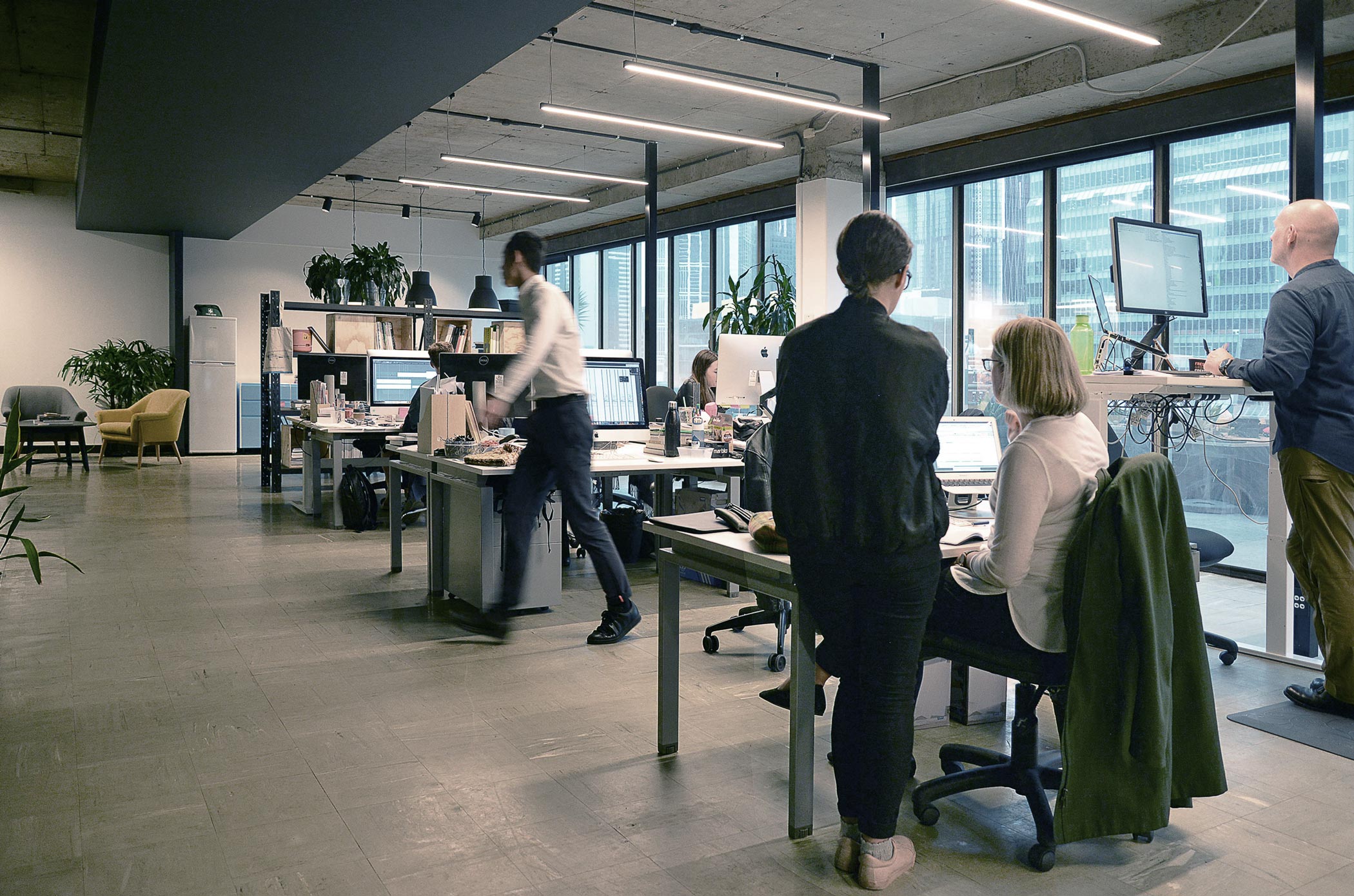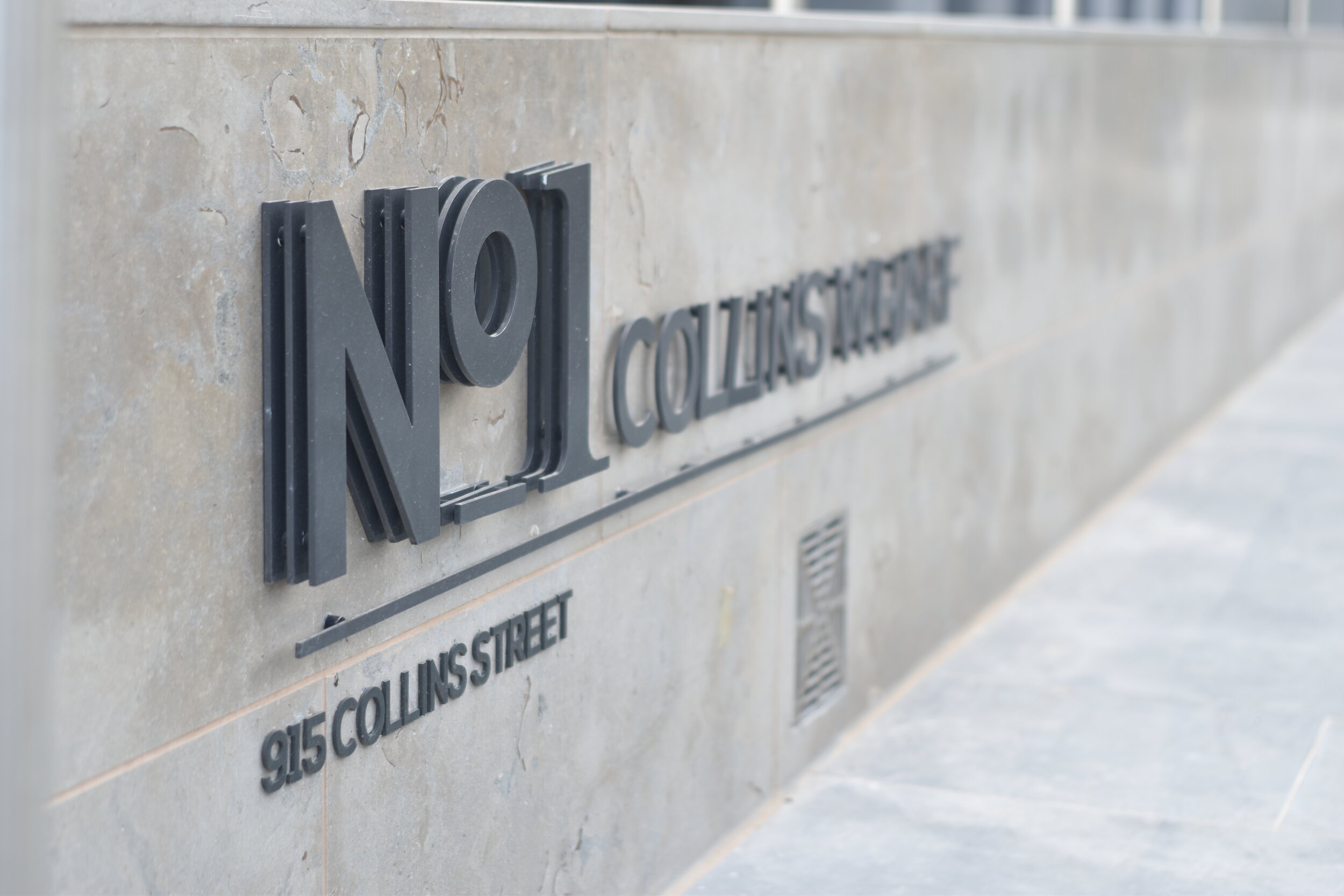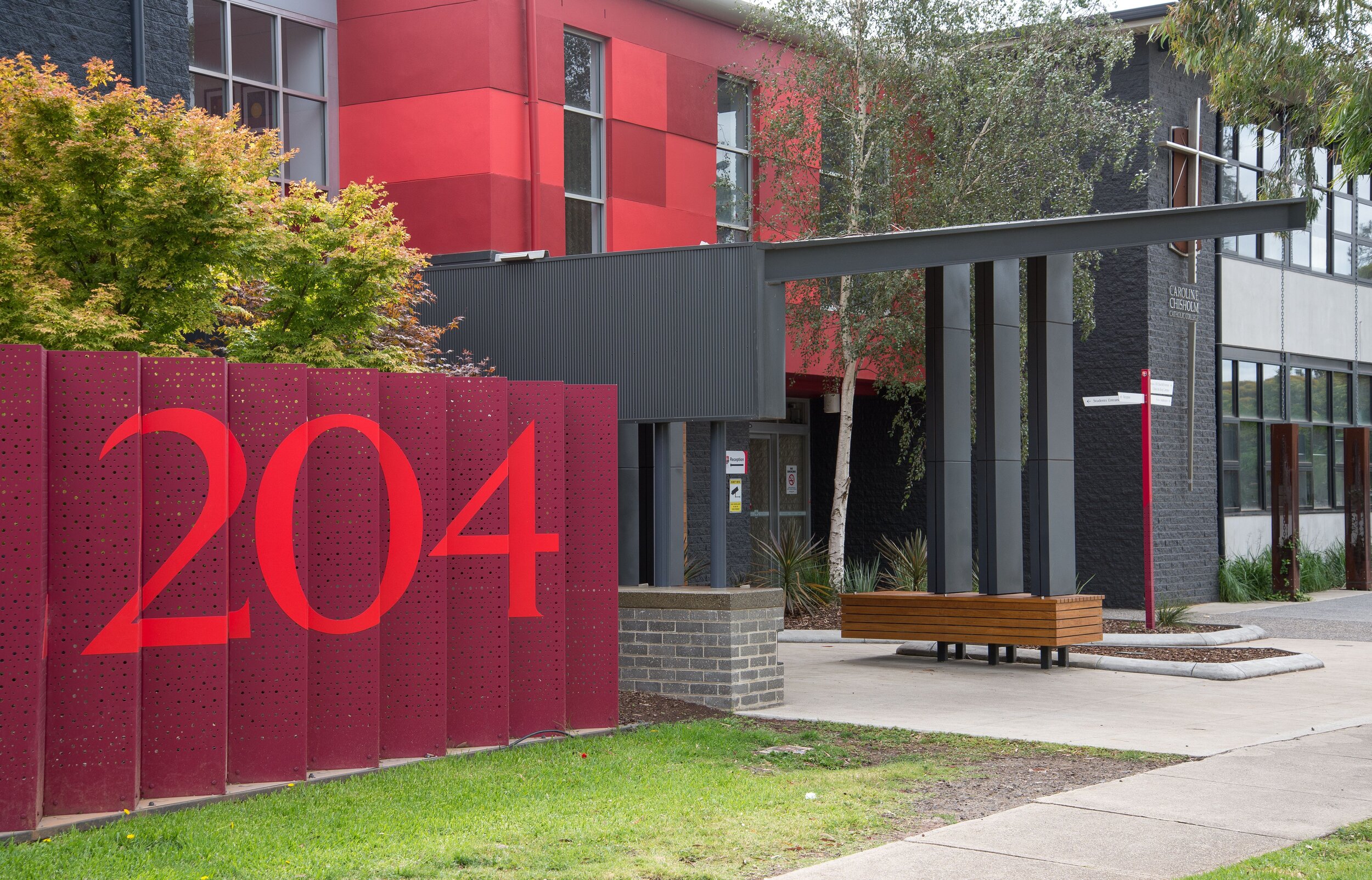
• Created Experiences

    Read More Collapse Image

  • Informed
    Design

    Read More Collapse Image

  • Wayshowing Strategy

    Read More Collapse Image

Created Experiences deal with all the touchpoints that make being in an environment a better experience.

We plan information, communication and material components of spaces in order to match peoples’ experiences with our clients’ requirements.

Through an in-depth understanding of human behaviour, architecture, environmental psychology, and design we make wayfinding easier, a hospital more efficient, a city a nicer place to be, or a retail space more profitable.

Informed Design and Wayshowing Strategy are logical extensions of this service; they also deal with user experiences, and the shaping of behaviour to match operational requirements.

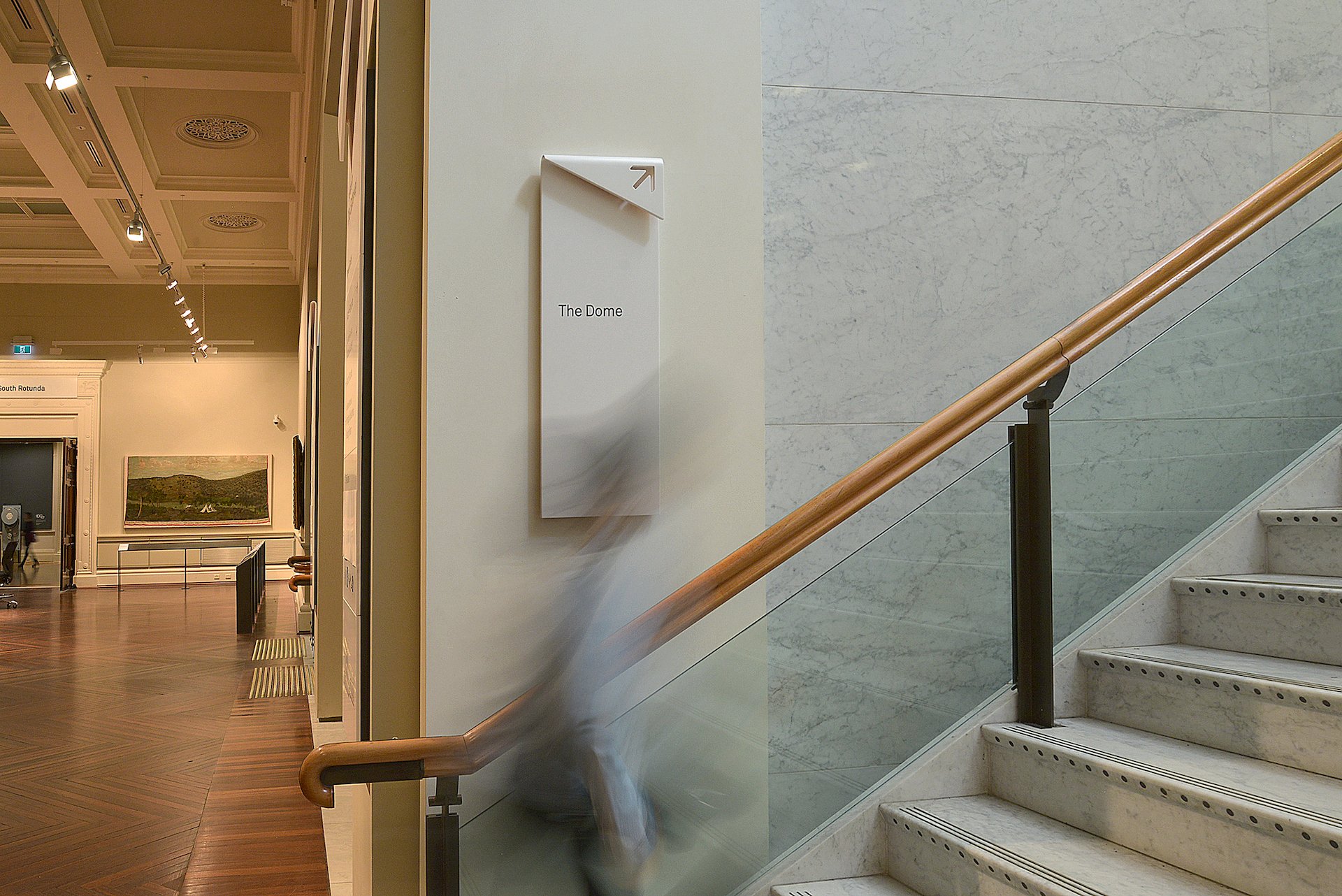
We design effective 2D and 3D elements that support wayfinding and experiences of people.

The outcomes includes signage, interpretation, graphics, mapping, exhibits, retail, and branded environments.

Usability vs beauty

Most people have been to places where the signage looked great and where they still felt lost. That is because most graphic designers confuse beauty with usability.

Their outcomes are largely based on intuition; make it look pretty and it will work.

At ID/Lab our priority is making spaces work. Different from graphic design studios we don’t deal with posters, annual reports or CD covers… 

Our design solutions are based on a thorough knowledge of human behaviour. We first develop the very best strategic solution and only then make that look as good as possible.

Better results

Because we are so specialised, our outcomes are simply better. 

We understand client’s needs better, and can focus on converting that into great results.

Our experience leads to more realistic budget and time frames and our solutions are more realistic.

And more realistic design means lower investments for implementation and maintenance.

We develop strategies that address the wayfinding needs of people, by creating easy to navigate, legible spaces, and by developing wayshowing stimuli and tools such as signage and maps.

Wayshowing is not just signage. Architecture, landscaping, interior design, lighting, art, signage, communication, printed and digital information all play an important role in how users navigate and experience spaces.

Our recommendations are based on a thorough understanding of how people behave when they navigate. Through a combination of human factors science, environmental psychology and experience, we develop evidence-based strategies that make wayfinding work.

Wayfinding vs Wayshowing

Wayfinding is the human capability to navigate an environment.

Wayshowing is the organisation and communication of information and

environmental stimuli to facilitate the wayfinding ability of people.

The Danish Professor Per Mollerup, who first coined the term in his 2005 book titled “Wayshowing”, describes its relationship to wayfinding:

“Wayshowing relates to wayfinding as writing relates to reading and as speaking relates to hearing.

The purpose of wayshowing is to facilitate wayfinding. Wayshowing is the means, wayfinding is the end.”

image

Orange Hospital

image

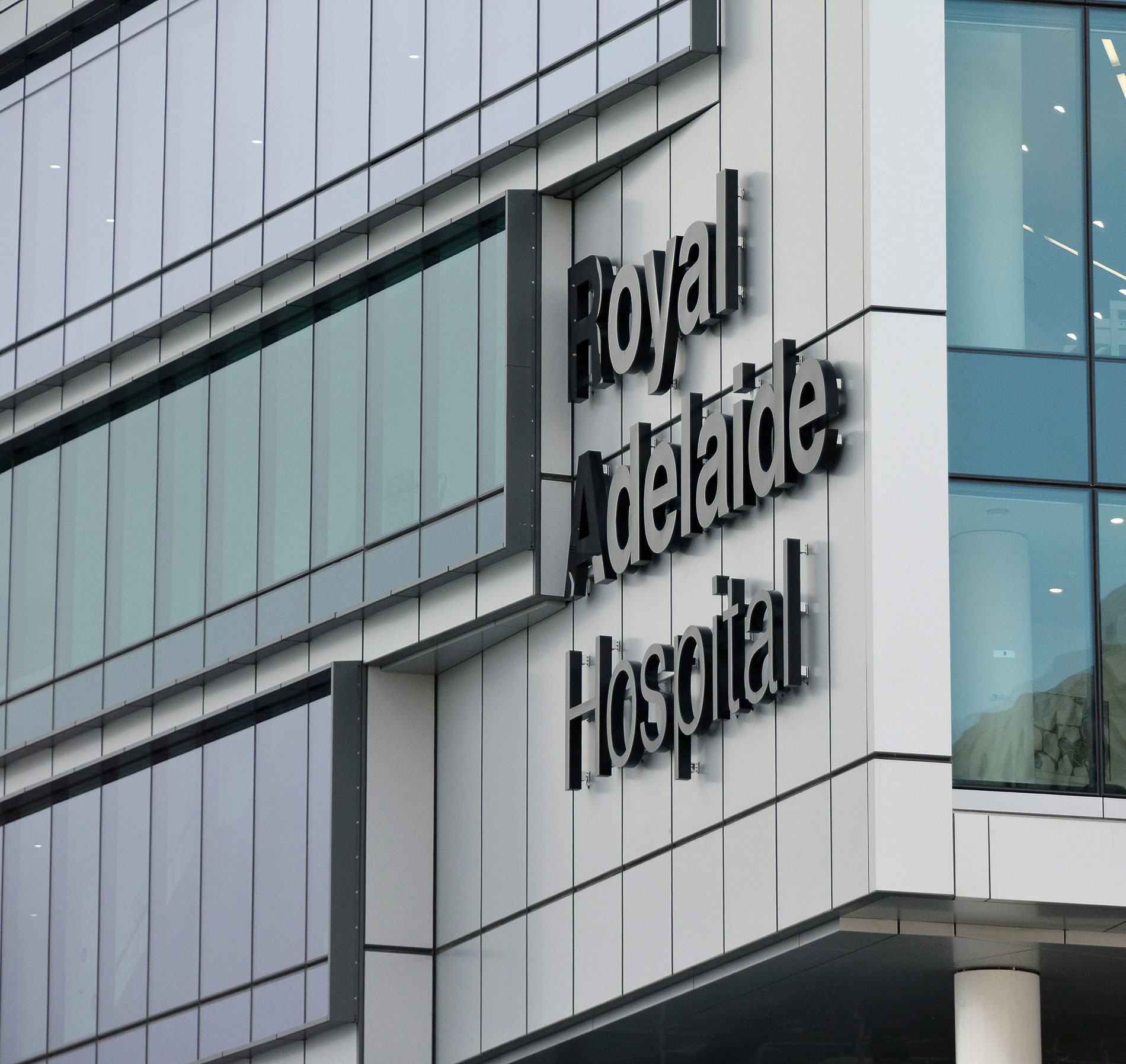
Royal Adelaide Hospital

image

Coles Head Office

image

BNZ

image

Selandra Rise

image

Hamer Hall

image

Liverpool Hospital

image

Point Nepean NP

image

ANZ Global HQ

image

enex100

image

Geelong Super Clinic

image

AAMHIU Canberra

image

Newhaven, Perth

image

Harbourtown & Ferris Wheel

image

Deakin University

image

New RCH

image

Auburn Hospital

image

Eastlink Freeway

image

Falls Creek Resort

image

Banyule City Council

image

Specialist Clinics Victoria

image

Crown

image

Silverwater

image

NRCH

Blog Post

SEASON’S GREETINGS 2011

1323933450

Blog Post

PEOPLE SCALED CITIES

1323931771

Blog Post

CREATED EXPERIENCES….. SERVICE DESIGN IN THE BUILT ENVIRONMENT

1314211907

  • Home

  • Projects
    • More like this:


    • Hamer Hall
    • NRCH
    • Silverwater
    • Crown
    • Specialist Clinics Victoria
    • Falls Creek Resort


  • Blog

  • About

  • Contact

  • ID/Lab International

Scroll down for more

© ID/Lab 2011


ID/Lab

ID/Lab
Scroll down for more

© ID/Lab 2011